
Leadership Team
Meet Our Leadership Team
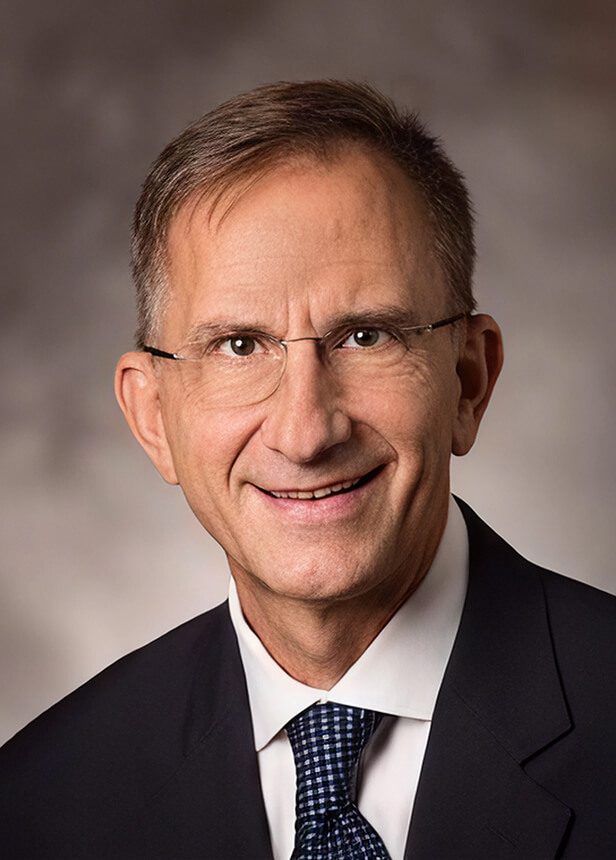
William A. Aniskovich, M.A., J.D.
CEO
William A. Aniskovich, M.A., J.D.
Bill has led the significant growth in Stonington’s inpatient and partial hospital programs for adults, and the establishment of adolescent services in 1999. Bill directed the creation and expansion of a community sober house program for adults with substance abuse and co-occurring disorders and then led the successful federal court litigation that protects the rights of persons with mental illness and substance abuse disorders under the Federal Fair Housing Act and the Americans With Disabilities Act (CHMC v. City of New London, et. al). Most recently, he directed the successful effort to create a TRICARE®-certified, co-occurring ready, residential trauma program for active duty service men and women at the North Stonington campus.
Bill received his BA from The Catholic University of America in Washington, D.C. and earned his masters and law degree at the University of Virginia in Charlottesville, VA. He was a state Senator in the Connecticut General Assembly from 1990 to 2004, finishing his career as the Senate Minority Leader Pro Tempore. Bill is a member and former chair of the Eastern Service Network, a provider network of community-based substance abuse and mental health providers in eastern Connecticut. He is also a member of the Connecticut Department of Mental Health and Addiction Services (DMHAS) “Integrated Service System” planning process. In 2004, Bill was appointed by the Health and Human Services Secretary Tommy Thompson to the SAMHSA Mental Health Services National Advisory Council in Washington, D.C. Bill has received numerous awards for his legislative and professional advocacy on behalf of persons with mental illness and substance abuse disorders.

Mimi Baccaire, RHIA
Director of HIM & HIPAA Privacy Officer
Mimi Baccaire, RHIA
She is a Registered Health Information Administrator (RHIA) and values the balance of patients’ privacy rights and the confidentiality of health information with legitimate uses of data and the quality of health information as evidenced by its accuracy, consistency, validity and impact on the quality of healthcare delivery.

Melissa Florence
HR Director
Melissa Florence
Melissa Florence is the Human Resources Director at Stonington Institute. Melissa started her career at Stonington in 2015 as the HR Administrator where she gained extensive knowledge and practical skills that enable her to meet the needs of employees and the leadership team. Melissa is responsible for all of Stonington’s HR functions and serves as the Compliance Officer and Client Advocate for the North Stonington campus. Melissa graduated from SNHU with a bachelor’s in business administration with a concentration in HR management.
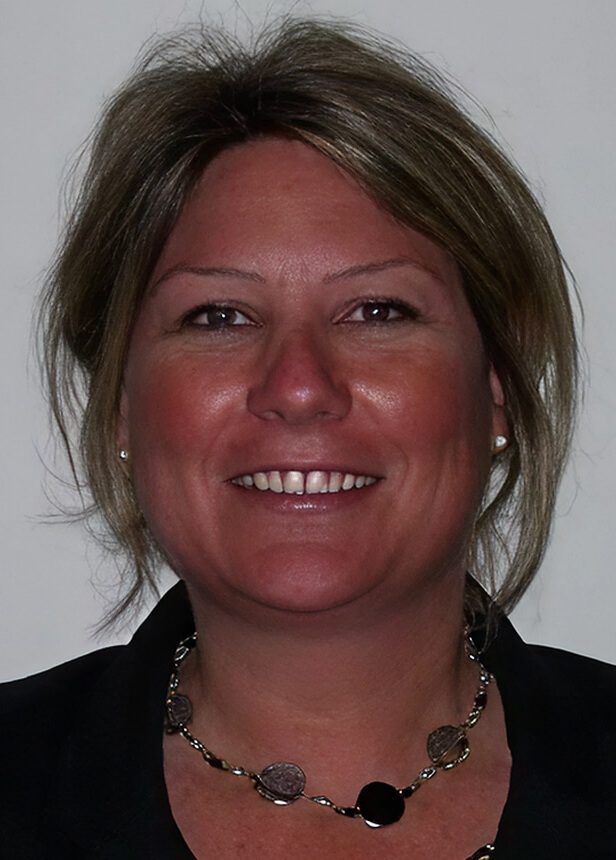
Andrea Keeney
Director Admissions
Andrea Keeney
Andrea Keeney is the Director of Admissions for Stonington Institute. Andrea is a graduate of Northeastern University in Boston, MA, where she earned a bachelor’s degree in Psychology, with honors.
Andrea began her career at Stonington in 2001 as an Intake Coordinator in the Adolescent RTC Program. She became the Director of Admissions in 2004, with responsibility for intake operations for all civilian programs. She oversees the Assessment & Call Center, and manages the day-to-day intake process.
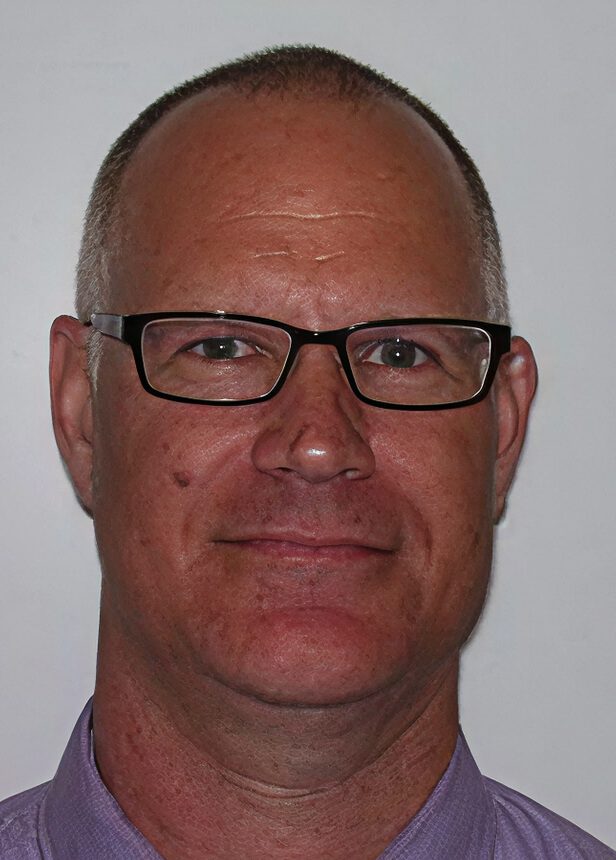
Rich Laffargue
Director of The Inn at Trails Corner
Rich Laffargue
Rich received his B.S. in Law Enforcement and a Master’s Degree in Criminal Justice Administration from Western New England College. When not working, Rich is active in his community as a youth sports coach in soccer, baseball and basketball.
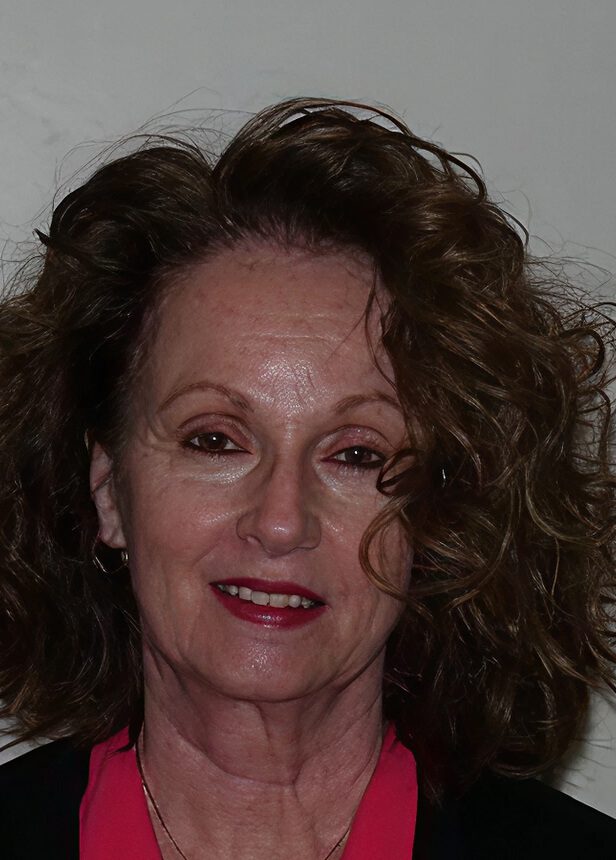
Donna McLeod, LMHC, LCDP
Director of Performance Improvement & Risk Manager
Donna McLeod, LMHC, LCDP
Donna McLeod, LMHC, LCDP is Director of Performance Improvement and Risk Manager with responsibility for planning, organizing and monitoring Risk Management, Accreditation and Licensing activities.
Donna has earned a Bachelor’s Degree in Psychology and a second Bachelor’s in Chemical Dependency from Rhode Island College in Providence, Rhode Island and a Master’s Degree in Agency Counseling and Addiction also from Rhode Island College.
Donna has served as Director of a 33-bed residential facility, has extensive clinical history specializing in supervision, assessment and crisis intervention. Donna’s work experience includes private practice specializing in addiction and mental health.
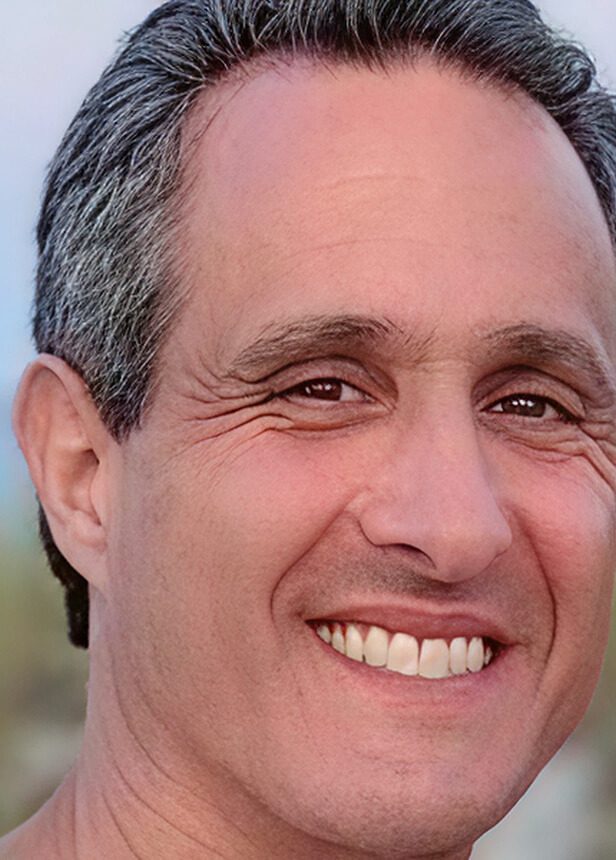
William Savinelli, LPC, LADC
Senior Director of Outpatient Operations
William Savinelli, LPC, LADC
William Savinelli LPC, LADC, is the Senior Director of Outpatient Operations. With a career span of three decades, William Savinelli has dedicated his life to the field of addiction treatment, bringing a passion for recovery and client-centered care to every aspect of his work. Known for his commitment to excellence, he has demonstrated exceptional leadership throughout the continuum of care, ensuring that individuals receive the highest quality of support at every stage of their recovery journey. William has developed cutting-edge clinical programming that addresses the evolving needs of individuals struggling with addiction. The innovative approaches have offered clients effective and evidence-based interventions that support long-term recovery.
Understanding the critical role that staff training plays in delivering superior care, William places a high value on educating and empowering the team. He has been instrumental in providing clinical supervision, guiding staff members to develop their skills and enhance their professional growth. His dedication to fostering a knowledgeable and compassionate workforce ensures that clients receive the best possible care. William’s remarkable ability to connect with clients stems from his ongoing participation in the hands-on work required for their recovery. By remaining actively involved in their treatment processes, he fosters a deep sense of trust and understanding, creating an environment where clients feel genuinely supported and motivated to achieve lasting change.

Marissa Thomas
Director of Business Development & Community Relations
Marissa Thomas
Marissa Thomas is the Director of Business Development and Community Relations at Stonington Institute. Marissa graduated magna cum laude from Mitchell College in New London, CT where she earned her bachelor’s degree in Management and Marketing. Marissa started her career at Stonington in 2014 as an Admissions Specialist where she gained extensive knowledge, compassionate insight and practical skills that enable her to meet the needs of people who need help overcoming their personal addictions. Promoted to Community Relations Manager in 2017, Marissa now manages outreach and our relationships with communities, referral sources and other facilities throughout Connecticut and surrounding states. In 2018, Marissa was the recipient of the annual Service Excellence Award, given each year to the one Stonington employee who best embodies the principles of teamwork, professionalism, and commitment to those we serve. Marissa is committed to providing a professional yet sensitive approach to move individuals along their path of life-long recovery.
Start Your Journey to Recovery
Stonington Institute’s professional staff are here to help. Call 800-832-1022 or 860-535-1010 and select option 1 for a level of care screening that gathers demographic, insurance and clinical information needed by the assessment team. If you need immediate mental health assistance, contact 988 or seek the nearest emergency room.
Hope Starts Here
Taking the first step can be difficult, but Stonington Institute is here for you.